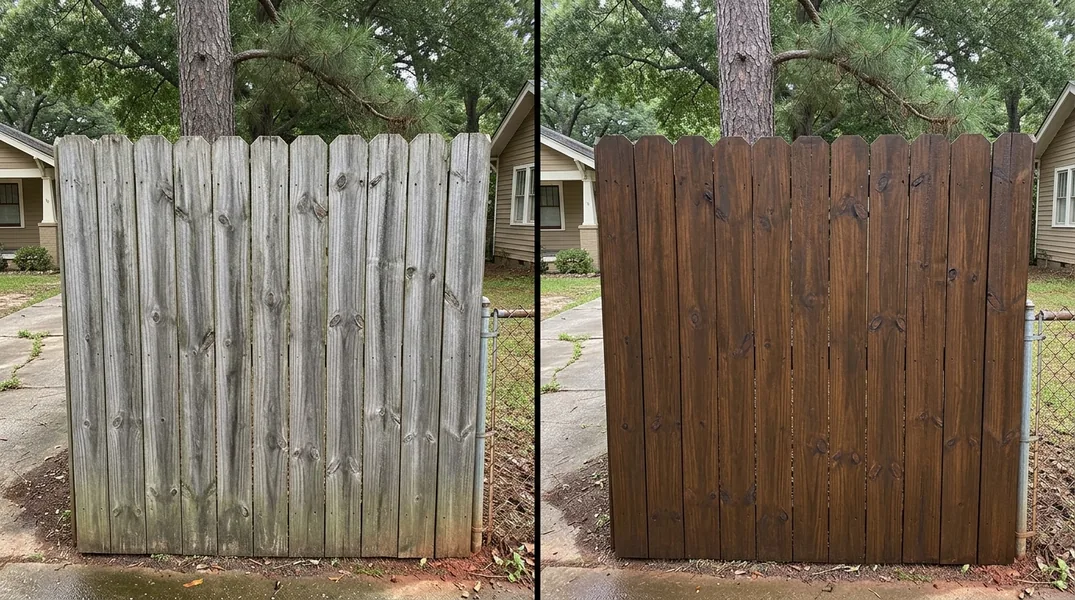
Understanding Wood Fence Lifespan in Durham's Climate
If you own a home on Mill House or Craftsman Streets in Durham, you know that the region's humid subtropical climate presents unique challenges for outdoor structures. A wood fence's lifespan depends heavily on the local environment, maintenance habits, and the quality of materials used during installation. In Durham, homeowners typically see wood fences last between 15 to 20 years with proper care, though some well-maintained fences have been known to perform well beyond that timeline.
The question of how long does a wood fence last isn't one-size-fits-all. North Carolina's wet springs and humid summers accelerate wood decay and create ideal conditions for mold and mildew growth. Cedar and pressure-treated pine, the most common choices for Wood & Privacy Fence Installation, naturally resist rot better than standard softwoods, but they still require regular maintenance. Without proper sealing and staining every two to three years, even premium wood species deteriorate faster. The narrow lots common on Mill House and Craftsman Streets mean your fence is often the focal point of your property, making both its longevity and appearance important considerations.
Signs You Need a New Fence: What to Look For
Recognizing the signs you need a new fence early can save you money and prevent safety issues. The most obvious indicator is visible rot or soft spots in the wood. If you can easily press your thumb into a fence board and it leaves an indentation or the wood crumbles, that section has lost its structural integrity. Leaning or unstable fence sections are another red flag, especially concerning if you have children or pets. On narrow lots where fencing serves as a boundary marker and privacy barrier, a compromised fence can affect both aesthetics and security.
Look for widespread discoloration, deep cracks that run along the grain, or boards that have warped significantly. Termite damage, identifiable by small holes and sawdust-like debris at the base of posts, demands immediate attention. If multiple boards show these signs across different sections of your fence rather than just one or two isolated problem areas, you're likely facing a fence that's reached the end of its useful life. Loose or missing hardware, gates that no longer hang properly, and sections where boards are pulling away from the frame also indicate deterioration that warrants professional evaluation. When you start noticing these issues, it's worth contacting Durham Fence Company at (984) 380-1829 for a professional assessment.
When to Replace a Fence: Timing Your Investment
Deciding when to replace a fence involves balancing repair costs against replacement value. If repairs will exceed 50 percent of the cost of a new fence, replacement is usually the smarter choice economically. A fence that requires multiple board replacements annually, frequent post repairs, or constant maintenance is signaling that its fence lifespan is ending. Homeowners in Durham should also consider the resale value of their property; a deteriorating fence can negatively impact curb appeal and home valuation, while a new, well-maintained fence adds visual appeal and functionality.
The best time to replace a fence is typically during spring or early fall, when weather conditions are favorable for installation and you can enjoy your new fence throughout the warmer months. If your fence has reached 15 to 20 years of age and you're seeing multiple signs of wear, proactive replacement prevents emergency situations where sections fail unexpectedly. Narrow lots on Mill House and Craftsman Streets often feature fences that are highly visible from the street, so upgrading to a new Wood & Privacy Fence Installation can significantly enhance your home's curb appeal. Durham Fence Company can help you evaluate whether repair or replacement makes the most sense for your situation and provide a free estimate for your project.
Materials That Last: Choosing Your Next Fence
When the time comes to install a new fence, selecting the right material directly impacts how long your investment will last. Pressure-treated wood offers excellent value and a classic appearance, lasting 15 to 20 years with maintenance. Cedar and redwood are naturally rot-resistant and age beautifully, though they command higher upfront costs. If you're looking to minimize maintenance while maximizing lifespan, Vinyl & PVC Fence Installation provides 20 to 30 years or more of durability without the need for staining or sealing. Vinyl won't rot, splinter, or succumb to termite damage, making it an increasingly popular choice for homeowners seeking long-term solutions.
For those preferring a traditional wood aesthetic with enhanced durability, composite materials blend wood fibers with plastic polymers to create boards that resist decay while maintaining authentic wood appearance. Aluminum & Ornamental Iron Fencing offers another alternative, particularly suited to formal properties or narrow lots where a lighter visual footprint is desired. Each material has different maintenance requirements and initial pricing structures. Durham Fence Company specializes in helping homeowners select the material that best matches their budget, aesthetic preferences, and long-term maintenance tolerance.
Extending Your Fence's Life: Maintenance Tips
If your current fence still has years of useful life remaining, proper maintenance can significantly extend its longevity and delay replacement. For wood fences, this means annual or biennial sealing and staining to protect against moisture penetration. Inspect your fence seasonally for early signs of damage, and address small problems immediately before they spread. Keep vegetation trimmed back from fence lines, as vines and overgrown plants trap moisture and accelerate decay. Ensure proper drainage around fence posts, particularly on narrow lots where water runoff patterns may be concentrated.
Regular cleaning removes accumulated dirt, mold, and mildew that can weaken wood fibers over time. A pressure washer on low setting can refresh your fence's appearance, but use caution to avoid gouging the wood. Check hardware regularly and replace corroded bolts, brackets, or hinges before they fail. For vinyl fences, maintenance is simpler: occasional cleaning with mild soap and water keeps them looking new. Regardless of material, addressing damage promptly prevents small problems from becoming expensive repairs. If you're uncertain about maintenance best practices for your specific fence type, the team at Durham Fence Company is happy to provide guidance.
Wood & Privacy Fence Installation Near Me: Getting Professional Help
When you've decided it's time for a new fence, working with experienced local installers ensures quality workmanship and materials suited to Durham's climate. Durham Fence Company brings years of expertise in Wood & Privacy Fence Installation throughout the area, including the distinctive narrow lots of Mill House and Craftsman Streets. Professional installation matters because proper post depth, spacing, and alignment directly affect how long your fence will last. Corners cut during installation can result in premature failure, sagging sections, and costly repairs down the road.
When you're ready to explore your options, reach out to Durham Fence Company at (984) 380-1829 or visit durham-fence.com to request a free estimate. The team will assess your property, discuss your needs regarding privacy, aesthetics, and budget, and recommend materials and designs that maximize durability and value. Whether you're replacing an aging fence or installing one for the first time, professional guidance ensures your investment provides decades of reliable service and enhances your home's appearance and property value.
Looking for a professional fence contractor in Durham? Durham Fence Company responds fast for all your fence needs.
Get a Free Quote